
When I first started my small agricultural business three years ago, I faced a dilemma that many entrepreneurs encounter: should I invest in brand new gunny bags or save money with used ones? I remember standing in the warehouse, calculator in hand, trying to figure out if the savings were worth it. That decision taught me more about packaging than any textbook ever could.
Quick Answer: Used gunny bags are better for cost-conscious businesses with non-food applications, offering 40-60% savings while maintaining functionality. New gunny bags are ideal for food-grade storage, export purposes, and businesses prioritizing brand presentation. Your choice depends on your specific needs, budget, and product type.
Today, I want to share what I’ve learned through real experience—the good, the bad, and the practical truth about both options.
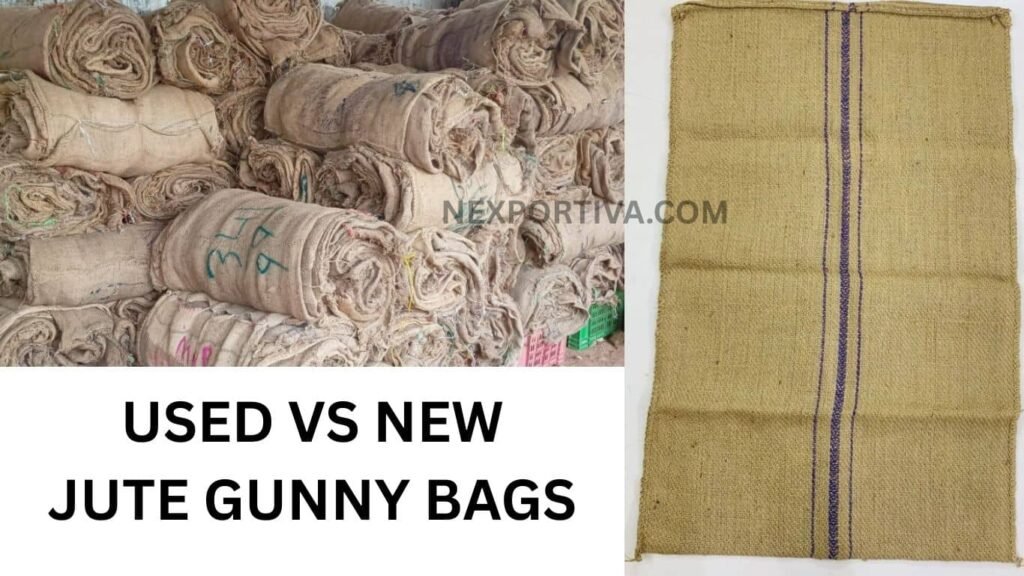
Why This Decision Matters More Than You Think
Let’s be honest: packaging doesn’t sound exciting. But here’s the reality—I’ve seen businesses thrive or struggle based solely on their packaging choices. A friend of mine in the grain trading business saved over ₹2.5 lakhs in his first year by switching to quality used gunny bags. Another acquaintance lost a major export contract because his used bags didn’t meet international standards.
The point? This isn’t just about bags. It’s about your business sustainability, profit margins, and customer perception.
50 Kg One Time Used Jute Gunny Bags – जूट के बोरे
Understanding Gunny Bags: The Basics
Before we discuss into comparisons, let’s talk about what we’re actually dealing with. Gunny bags, also called jute bags or burlap sacks, are made from natural jute fibers. They’ve been the backbone of agricultural and industrial packaging for generations, and there’s a good reason for that.
These bags are naturally:
- Breathable (preventing moisture buildup)
- Biodegradable (decomposing within 1-2 years)
- Strong enough to carry 50-90 kilograms
- Resistant to tears when properly maintained
Now, whether you’re buying new or used, you’re getting these core benefits. The difference lies in the details.
The Real Cost Breakdown: Numbers Don’t Lie
Let me share some actual figures from my business and others I’ve consulted with:
New Gunny Bags:
- 50kg capacity: ₹35-45 per bag
- 60kg capacity: ₹40-50 per bag
- 90kg capacity: ₹55-70 per bag
Used Gunny Bags:
- 50kg capacity: ₹15-25 per bag
- 60kg capacity: ₹20-30 per bag
- 90kg capacity: ₹30-40 per bag
For a small warehouse storing 5,000 bags of grain, that’s a difference of ₹1,00,000 to ₹1,50,000 annually. That’s not pocket change—that’s a significant business expense that could go toward expansion, better equipment, or simply higher profits.
According to a study by the National Jute Board of India, businesses using second-hand jute bags report cost savings between 40-65% compared to purchasing new bags, without compromising operational efficiency for most applications.
When Used Gunny Bags Make Perfect Sense
I’ll be straight with you—used gunny bags aren’t second-rate options. They’re smart business decisions in many situations.
Construction Materials: When my cousin started his construction supply business, he needed bags for sand, cement, and aggregates. Used gunny bags were perfect because:
- The materials weren’t food products (no contamination concerns)
- Bags would get dirty anyway from construction sites
- He needed volume over aesthetics
- The bags could be reused multiple times on-site
Agricultural Feed and Fertilizers: Many farmers I work with prefer used bags for animal feed and fertilizers. One dairy farmer told me, “Why would I pay double for bags that my cows don’t care about? As long as it holds the feed securely, I’m saving money for things that actually matter to my animals.”
Garden Centers and Landscaping: Soil, mulch, compost—these products actually look more authentic in used gunny bags. There’s a rustic charm that new bags can’t replicate. Several garden centers I’ve visited deliberately choose used bags because customers associate them with organic, traditional gardening.
Internal Storage and Warehousing: If you’re storing products that will be repackaged before retail, used bags are incredibly practical. A spice wholesaler I know uses used gunny bags for internal storage and transfers products to branded packaging only for customer orders.
When You Should Definitely Choose New Gunny Bags
There are non-negotiable situations where new bags are worth every rupee:
Food-Grade Products: If you’re packaging rice, wheat, pulses, or any consumable grain for direct sale to consumers, new bags aren’t optional—they’re essential. Food safety regulations in most countries require uncontaminated, virgin packaging materials. The Indian Food Safety and Standards Authority (FSSAI) has specific guidelines about food packaging that favor new materials.
Export Requirements: International buyers are particular about packaging. I learned this the hard way when a shipment to the Middle East was questioned because of used packaging. Most export contracts explicitly require new gunny bags to meet quality standards and avoid contamination risks.
Premium Branding: If you’re selling organic products, specialty coffee, or premium grains, packaging is part of your brand story. New bags can be custom-printed with your logo, giving you marketing value that used bags simply can’t provide.
Pharmaceutical and Chemical Use: Certain chemicals and pharmaceutical ingredients require guaranteed uncontaminated packaging. New bags are the only responsible choice here.
The Quality Factor: What to Actually Look For
Here’s something most articles won’t tell you: not all used gunny bags are created equal. I’ve inspected thousands, and the quality range is enormous.
Signs of High-Quality Used Bags:
- No visible holes or tears (hold them up to light)
- Consistent weave pattern without thin spots
- Clean smell (no musty or chemical odors)
- Intact stitching at the bottom and sides
- Minimal staining (light discoloration is fine)
- Original capacity still achievable without stress
Red Flags to Avoid:
- Strong chemical smells (could indicate pesticide or fertilizer contamination)
- Brittle fibers that snap easily
- Large stains of unknown origin
- Multiple patches or repairs
- Severely faded color (indicates prolonged sun exposure and fiber degradation)
A reliable supplier should let you inspect bags before bulk purchase. If they won’t, that tells you something important.
Environmental Impact: The Bigger Picture
This resonates with me personally because I’ve always tried to run my business responsibly. Both options are more environmentally friendly than plastic, but used gunny bags have an edge here.
Consider this: producing new jute requires water, energy, and processing. Using bags for a second or third lifecycle reduces the environmental burden significantly. The Ellen MacArthur Foundation reports that extending product lifecycles is one of the most effective circular economy strategies.
When you buy used gunny bags, you’re:
- Reducing agricultural waste
- Decreasing demand for new raw materials
- Supporting a circular economy
- Lowering your carbon footprint
Several of my customers specifically mention this when explaining why they choose used bags. It’s becoming a genuine selling point for eco-conscious consumers.
Real Customer Experiences: What People Are Actually Saying
“I was skeptical about used bags for our organic fertilizer business, but after two years, I can confidently say they’ve saved us over ₹3 lakhs without a single customer complaint. For non-food products, it’s a no-brainer.” — Rajesh Kumar, Fertilizer Distributor, Punjab
“We tried used bags initially to cut costs for our rice export business. Big mistake. Lost one contract due to packaging concerns. Now we only use new bags for exports and used bags for domestic wholesale. Know your market.” — Priya Mehta, Grain Exporter, Maharashtra
“As a landscaping supplier, used gunny bags actually add to our brand aesthetic. Customers love the rustic, authentic look for our organic garden products.” — Amit Desai, Garden Supply Store, Gujarat
Making Your Decision: A Practical Framework
Let me give you a simple decision tree based on what I’ve learned:
Choose Used Gunny Bags If:
- You’re packaging non-food items
- Cost savings are a critical priority
- Products are for domestic, non-export markets
- Appearance is secondary to function
- You’re environmentally conscious and want to reduce waste
- Your products have an industrial or rustic positioning
Choose New Gunny Bags If:
- You’re packaging food products for human consumption
- You’re exporting to quality-conscious international markets
- Brand presentation significantly impacts sales
- You need custom printing or branding
- Regulatory compliance requires virgin materials
- Your customers specifically request new packaging
Consider a Hybrid Approach: Many successful businesses use both. New bags for customer-facing products and exports, used bags for internal operations and bulk storage. This maximizes both savings and quality where it matters most.
Where to Source Quality Used Gunny Bags
Finding reliable suppliers made all the difference for my business. Here are trusted sources:
- Agricultural Cooperatives: Often sell bags after single use for grain procurement
- Food Processing Units: Mills and processing plants regularly cycle through bags
- Verified Online Suppliers: Platforms with customer reviews and quality guarantees
- Direct from Farms: Larger farming operations sometimes sell in bulk
Always request samples before committing to large orders. A reputable supplier will understand this is standard practice.
For more information on jute bag quality standards, the National Jute Board provides comprehensive guidelines on jute product specifications.
The Bottom Line: It’s About Smart Business
After three years and countless conversations with fellow business owners, here’s my honest take: there’s no universal “better” option. Used gunny bags aren’t inferior—they’re appropriate for specific applications. New gunny bags aren’t wasteful—they’re necessary for others.
The businesses that succeed are the ones that match their packaging choice to their actual needs, not to assumptions or one-size-fits-all advice.
I use both in my operations. My export-grade products get new bags with our printed logo. My domestic bulk sales use carefully selected used bags. This approach has saved me money while maintaining quality standards where they matter.
Your business is unique. Your products are unique. Your customers have specific expectations. Make your choice based on those realities, not on generic advice.
Ready to Make Your Choice?
Whether you choose new or used gunny bags, the key is working with reliable suppliers who understand quality and your specific needs.
Shop Premium Used Gunny Bags →
We offer carefully inspected 50kg, 60kg, and 90kg used gunny bags with a quality guarantee. Every bag is examined for structural integrity, cleanliness, and functionality.
Need help deciding? Contact us for a free consultation. We’ll discuss your specific packaging needs and recommend the best solution for your business—even if that means new bags aren’t our specialty.
Have you used both new and used gunny bags in your business? Share your experience in the comments below—your insights could help fellow entrepreneurs make better decisions.